Panch Prayag Tour
Spiritual significance
The Panch Prayag are five sacred confluences in the Garhwal Himalayas where tributaries merge to eventually form the holy Ganges. Each confluence is associated with ancient legends from the Mahabharata and Puranas, and bathing or offering prayers at all five is considered as meritorious as a complete Char Dham pilgrimage. The circuit follows the course of the Alaknanda river from its origin near Badrinath to Devprayag where it becomes the Ganges.
Sacred temples
Vishnuprayag
1,372 mThe confluence of the Alaknanda and Dhauliganga rivers. An ancient Vishnu temple stands at the meeting point. Legend says Narad Muni performed penance here for Lord Vishnu.
Nandprayag
914 mThe confluence of the Alaknanda and Nandakini rivers. Named after King Nanda who performed a great yajna here. The Gopal Ji temple at the sangam is an important pilgrimage site.
Karnaprayag
826 mThe confluence of the Alaknanda and Pindar rivers. Named after Karna of the Mahabharata, who is said to have performed sun worship and received his divine armour here. The Uma Devi temple overlooks the sangam.
Rudraprayag
610 mThe confluence of the Alaknanda and Mandakini rivers. Named after Lord Rudra (Shiva), who is said to have played the celestial veena here. The Rudranath temple and Chamunda Devi temple are key pilgrimage sites.
Devprayag
472 mThe most sacred of all five — where the Alaknanda and Bhagirathi rivers merge to form the Ganges. The ancient Raghunath temple here is one of the 108 Divya Desams. Devprayag is considered one of the holiest spots in all of Hinduism.
Registration & requirements
No special registration is required for the Panch Prayag tour. These are open pilgrimage sites accessible to all visitors. However, if you plan to extend the trip to include Badrinath, you will need to complete the standard Char Dham biometric registration. Carry valid ID proof and basic cash as ATM facilities are limited at some prayag locations.
Day-by-day itinerary
Departure to Devprayag
95 km from RishikeshDrive from Dehradun/Rishikesh to Devprayag — the most sacred confluence where Bhagirathi and Alaknanda merge to form the Ganges. Visit Raghunath temple. Perform prayers at the sangam. Overnight at Srinagar Garhwal.
Rudraprayag & Karnaprayag
100 kmDrive to Rudraprayag — confluence of Alaknanda and Mandakini. Visit Rudranath and Chamunda Devi temples. Continue to Karnaprayag — confluence of Alaknanda and Pindar. Visit Uma Devi temple. Overnight at Karnaprayag.
Nandprayag & Vishnuprayag
120 kmMorning visit to Nandprayag — confluence of Alaknanda and Nandakini. Continue via Chamoli to Vishnuprayag — confluence of Alaknanda and Dhauliganga, the highest of the five prayags. Visit ancient Vishnu temple. Overnight at Joshimath.
Joshimath Exploration
Local sightseeingVisit Narsingh temple and Shankaracharya Math in Joshimath. Optional cable car ride to Auli for stunning Himalayan panoramic views. Rest day to absorb the spiritual experience. Evening prayers.
Return Journey
250 kmDeparture from Joshimath. Relaxed drive back along the Alaknanda valley, retracing the sacred prayags. Stop at any missed viewpoints. Arrive Rishikesh/Haridwar for evening Ganga Aarti.
Home/Delhi (Optional)
230 kmIf starting from Delhi, morning departure from Haridwar back to Delhi. Drop at doorstep. Tour complete.
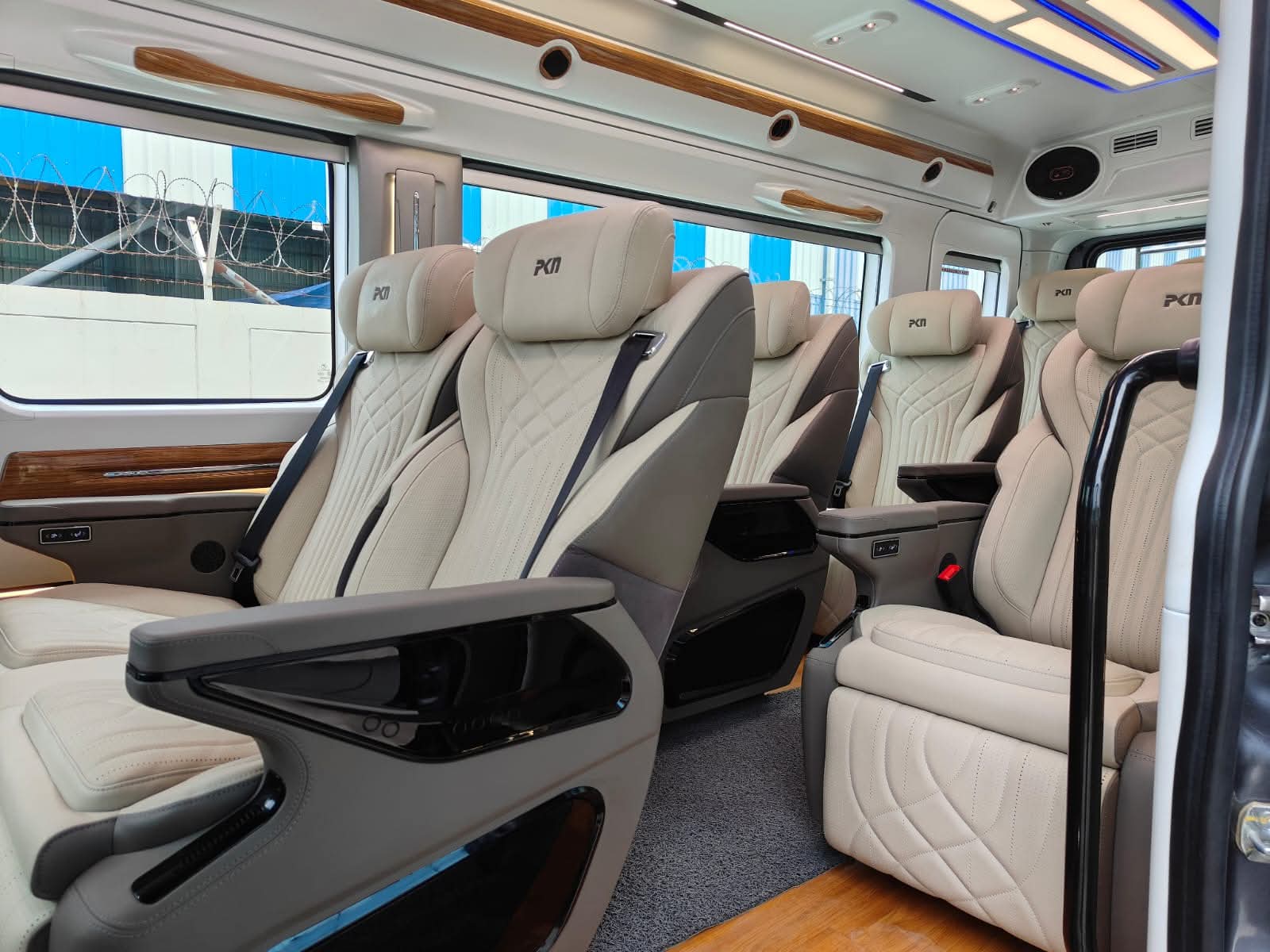
Panch Prayag tour by tempo traveller — the five sacred confluences of Uttarakhand
In Hindu spirituality, the meeting of two rivers is not just a geographical event — it is a sacred moment where divine energies converge. The Panch Prayag (Five Confluences) of the Garhwal Himalayas are five such sacred points where mountain rivers merge along the course of the Alaknanda, eventually joining the Bhagirathi at Devprayag to create the holiest river in Hinduism — the Ganges. Visiting all five prayags is considered as meritorious as completing the Char Dham Yatra, and this 5-6 day tour by tempo traveller lets you experience this ancient pilgrimage circuit in comfort.
At Uttarakhand Tempo Traveller, we have designed the Panch Prayag tour as both a spiritual journey and a scenic adventure. The route follows the Alaknanda river upstream from Devprayag (472 metres) to Vishnuprayag (1,372 metres), passing through increasingly dramatic Himalayan landscapes. Our drivers know every stretch of this route intimately, and the tempo traveller provides a comfortable, air-conditioned cabin for the mountain driving that connects these five sacred points.
Understanding the five sacred confluences
The Panch Prayag are arranged sequentially along the Alaknanda river, each marking the point where a tributary joins the main stream. The spiritual significance increases as you travel upstream — from Devprayag, where the Ganges is born from the meeting of two mighty rivers, to Vishnuprayag, where the Alaknanda is still a young mountain stream fed by glacial melt from near Badrinath.
Devprayag is the crown jewel of the five prayags and arguably one of the holiest spots in all of India. Here, the milky-blue Bhagirathi (coming from Gangotri glacier) meets the greenish Alaknanda (coming from Badrinath), and the merged river is christened "Ganga" — the Ganges. The ancient Raghunath temple, built in a distinctive Dravidian style unusual for North India, overlooks the confluence from a hilltop. Standing at the sangam and watching the two differently coloured rivers merge into one is a visual and spiritual experience that stays with you forever.
Rudraprayag marks the confluence of the Alaknanda and the Mandakini (which flows from Kedarnath). Named after Lord Rudra (Shiva), this prayag has a powerful spiritual energy. The Rudranath temple and the Chamunda Devi temple are both important pilgrimage sites. The town of Rudraprayag, a key junction on the Char Dham route, offers the best accommodation and dining options among the prayag towns.
Karnaprayag is where the Alaknanda meets the Pindar river. The confluence is named after Karna, the great warrior of the Mahabharata, who is believed to have stood here performing sun worship when he received his divine armour (kavach) and earrings (kundal) from his father, Surya Dev. The Uma Devi temple overlooking the sangam is a serene spot for meditation and prayer.
Nandprayag is the meeting point of the Alaknanda and the Nandakini rivers. According to legend, King Nanda performed a massive yajna (fire ritual) at this confluence, and Lord Vishnu appeared to bless him — hence the name. The Gopal Ji temple here is dedicated to Lord Krishna, and the view of the two rivers meeting against the backdrop of forested mountains is quietly beautiful.
Vishnuprayag is the highest and most remote of the five, where the Alaknanda meets the Dhauliganga river just below Joshimath. The ancient Vishnu temple here is small but deeply sacred, and the roaring confluence of two powerful mountain streams is awe-inspiring. Narad Muni is believed to have performed intense penance here to gain a vision of Lord Vishnu.
The journey experience
What makes the Panch Prayag tour unique is the way it unfolds. Unlike temple-hopping pilgrimages where you jump between disconnected sites, this tour follows a single river upstream, and with each prayag, you witness the river growing younger and the mountains growing taller. The landscape transforms from the wide, cultivated valleys of Devprayag to the narrow gorges of Rudraprayag, the forested hillsides of Karnaprayag and Nandprayag, and finally the dramatic alpine scenery near Vishnuprayag. It is like travelling back in time to the very birth of the Ganges.
The driving is scenic throughout, with the Alaknanda river as your constant companion. Our tempo travellers handle the mix of highway and mountain roads comfortably, and our drivers know exactly where to stop for the best views, the cleanest dhabas, and the most convenient photo opportunities. The entire circuit is less physically demanding than Char Dham — there are no major treks involved, and all five prayags are accessible by road (with short walks to the actual sangam points).
Practical planning
The Panch Prayag tour is ideal for groups of 8-16 people travelling by tempo traveller. The 5-6 day duration makes it accessible even for working professionals with limited holiday time. The best seasons are April to June (clear skies, pleasant temperatures) and September to November (post-monsoon clarity, fewer crowds). The monsoon months of July-August bring heavy rains and increased landslide risk, though the confluences are most dramatic during this period when the rivers are in full spate.
A 12-seater tempo traveller for the 5-6 day Panch Prayag circuit costs approximately Rs.25,000-32,000, covering the vehicle, driver, fuel, and AC. This works out to just Rs.2,000-2,700 per person for transport when split among the group. Accommodation along the route ranges from simple dharamshalas (Rs.300-500 per room) to comfortable hotels (Rs.1,000-2,000 per room). Call us to customise your Panch Prayag itinerary — we can extend it to include Badrinath, Auli, or even Chopta-Tungnath for a more comprehensive Garhwal experience.
Travel tips
- 1Visit Devprayag at sunrise or sunset when the colours of the two merging rivers — milky blue Bhagirathi and greenish Alaknanda — are most distinct and photogenic.
- 2Carry a waterproof bag for electronics — the spray from the river confluences can be strong, especially during monsoon months.
- 3The drive follows the Alaknanda upstream, so you experience the river growing smaller and the mountains growing taller with each prayag — a beautiful progression.
- 4Rudraprayag town is a good base for overnight stays — it has the best accommodation options among the prayag towns.
- 5Combine this tour with a Badrinath visit for maximum spiritual value — Vishnuprayag is just 35 km from Badrinath.
- 6Respect the local communities at each prayag — many are small villages where pilgrims are guests in the residents' daily life.